|
The Slovak Paradise National Park is located in the eastern part of Slovakia, in 1964 it was declared a protected landscape area and in 1988 it was recategorized as a national park by the Decree of the Slovak Government. It has an area of 19,763 ha and a protective zone of 13,011 ha.
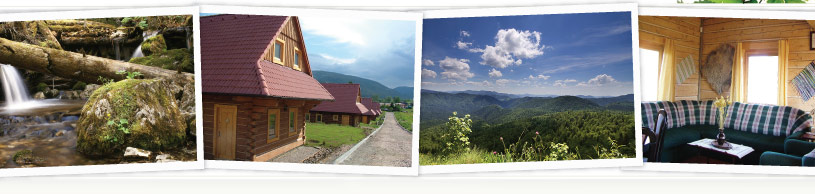
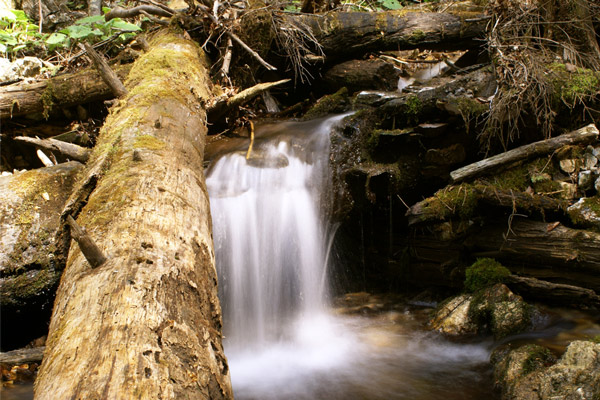
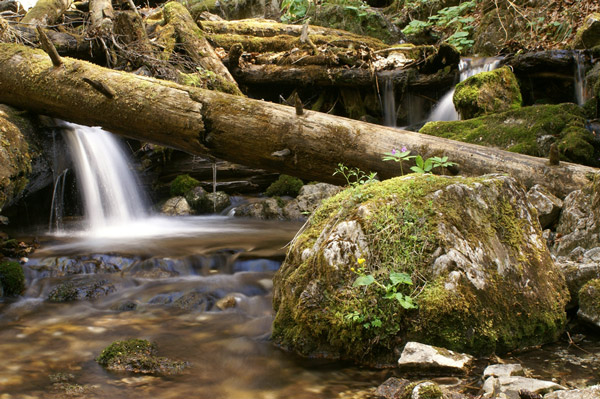
The Slovak Paradise area is a unique karst area. It offers many deep gorges with waterfalls, canyons, mountain ridges, quiet valleys, plateaus and many caves, including the unique Dobšinská Ice Cave, which is also the only accessible cave in the Slovak Paradise.
Slovak Paradise National Park is open to visitors throughout the year. Despite the fact that most of them come in the summer months, in recent years tourists have begun to discover the beauty of the national park in the winter as well. Technical aids such as ladders, bridges, footboards, etc. allow you to enjoy the natural beauty from the immediate vicinity. Marked hiking trails with a length of 300 km cross the national park in all directions and allow you to choose different levels of difficulty, from simple walks to difficult crossings of gorges, in which movement is allowed only in the marked direction.
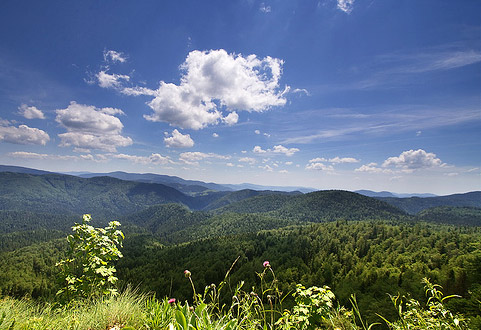
Almost the entire area of the Slovak Paradise is covered by forests - they occupy 90% of the total area. The upper cover is formed mainly by spruce, white fir, larch, and to a lesser extent by yew. Scots pine occurs on limestone cliffs. Deciduous forests are found in the southern regions of the Slovak Paradise, where beech, hornbeam, mountain maple, slender ash and rarely oak prevail. The original composition of the forests of the Slovak Paradise has already been changed in many places, beech and fir have been replaced by spruce.
At the bottom of the valleys and gorges there are mountain species of plants, e.g. Cortuse Matthiolova. Southern limestone rocks are home to thermophilic species, e.g. Wittman's magnesia and Slovak nicklec. Other species that occur are Heuffel's crocus, snowdrop, spring primrose, mountain soldanelle, various types of bells, spotted sedum, perennial moonflower, meadow saffron, white daisy, mother's sedge, alpine primrose, common veronica and many others. In a humid environment, the marsh sedge and wetland species dominate.
|